

When underwear starts riding, twisting or losing its shape, check its condition as well as its labeled size. Worn elastic, damaged seams, a different clothing combination or a change in your measurements can produce different problems. Buying the same size again without identifying the cause may not solve it.
A September drawer review is a practical opportunity to remove items you repeatedly avoid. There is no universal replacement calendar that suits every garment and wearer. Focus on how each piece currently functions.
Compare a troublesome pair with a useful one
Choose a clean pair that still feels comfortable and compare its construction with the item causing trouble. Look at the waistband, leg openings, seams and overall shape. Compare like with like where possible; a low-rise G-string and a full brief have intentionally different coverage.
Check for broken stitching, thin areas, stretched openings or rough trim. If the waistband no longer recovers its shape, do not assume a smaller new size is the right response. The old garment's condition may be the issue.
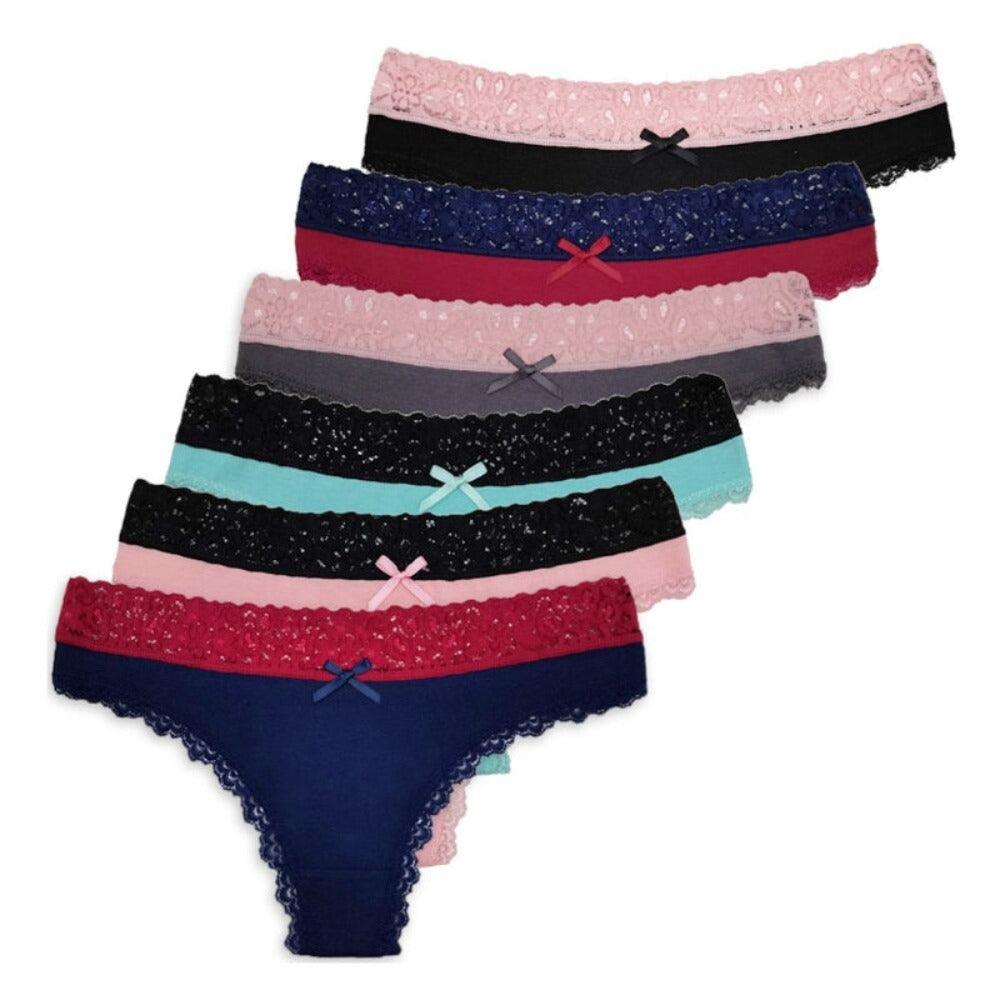
The Women's Low-Rise Female Underpants have a low-rise G-string cut. Compare that specific shape with another pair rather than expecting the coverage of a full brief.
Notice when the problem occurs
Does it happen with all clothes or only under one pair of trousers? Does it begin immediately or after movement? These observations help you describe the problem without guessing that every item in the drawer needs replacing.
For example, underwear that sits comfortably under a dress may interact differently with a close trouser waistband. That does not prove either garment is defective, but the combination may not be useful for you.
Stop wearing an item that causes pain, persistent irritation or other concerning symptoms. This is a clothing review, not a way to diagnose or treat a skin or health condition.
Separate repairs from replacements
A loose decorative thread and a failing structural seam are not the same issue. If repair is worth considering, ask a clothing repair professional what is practical. Avoid makeshift fixes that leave hard, sharp or irritating parts against the body.
Do not keep uncomfortable underwear solely because it was sold in a multipack. Assess each piece. Different wear patterns within a pack are possible when some pairs are used more often than others.
When replacing, read the selected item's chart and cut again. The Women Low Lace G String Underpants are a separate listing, not a guaranteed identical replacement for another low-rise style.
Keep a smaller, clearer drawer
Remove items awaiting repair from the everyday section so they do not return to the rotation by accident. Keep clean, usable pieces easy to see. Follow the actual care label rather than increasing wash heat in an attempt to restore stretched elastic.
Write down the cut and size of a replacement only after it works for you. That creates a useful reference for future purchases without turning one brand's label into a universal size.
The goal is straightforward: underwear that fits your current body and daily clothes without repeated adjustment. Replace for a specific reason, not because a season changed or a package offer appeared.
For the related basics, read our guide to underwear cut, fabric and fit.